







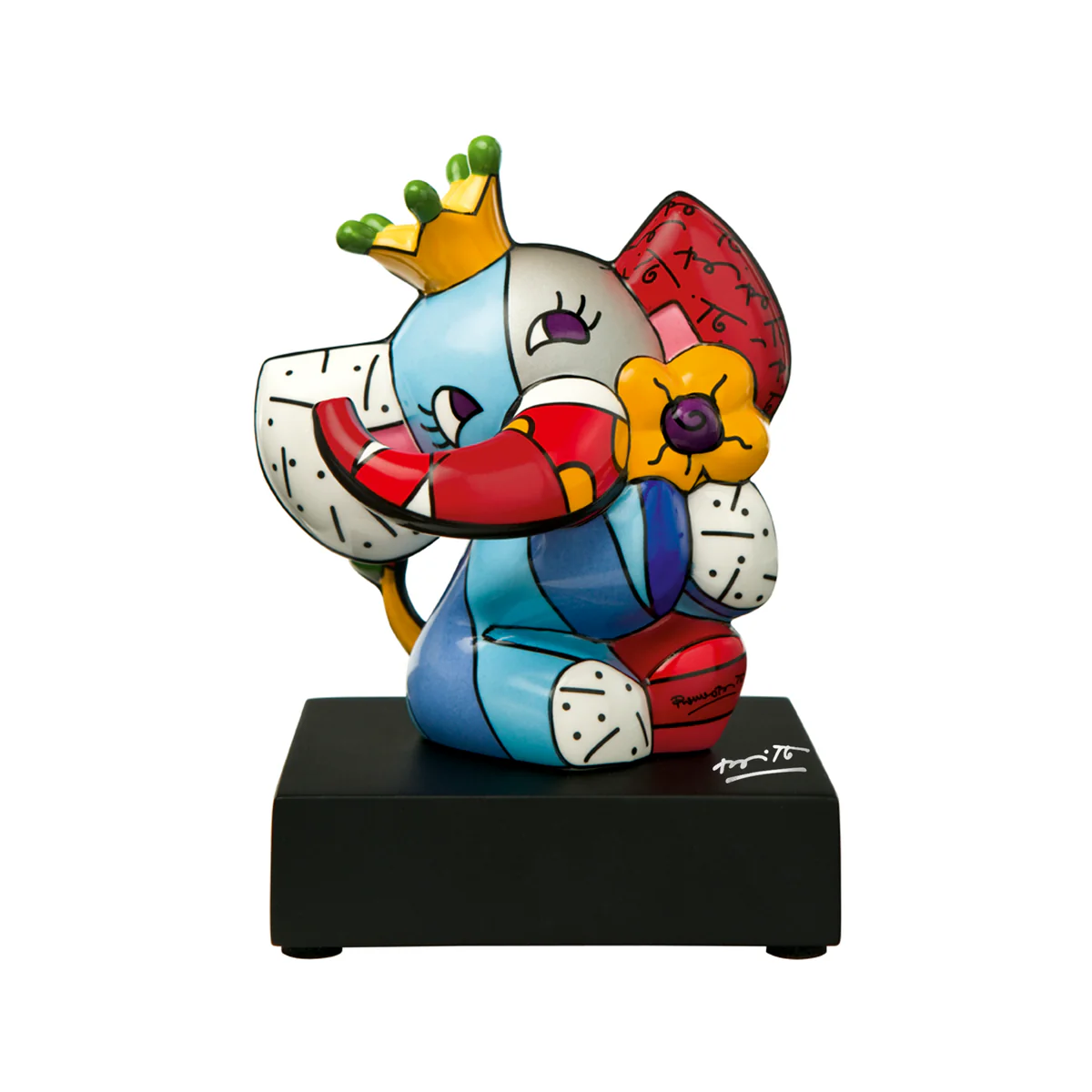
Artwork by Romero Britto4 Artworks
Romero Britto
Romero Britto — Founder of the Happy Art Movement
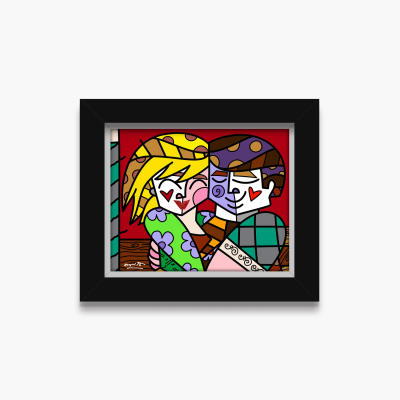
Romero Britto is a Brazilian-born, Miami-based contemporary artist known for creating the “Happy Art Movement.” His work blends pop art, cubism, and graffiti influences into a distinctive style filled with bright colours, bold outlines, and playful patterns that communicate optimism, love, and positivity.
Background Born in Recife, Brazil. Later moved to Miami, Florida, where his career flourishedBuilt a globally recognised brand of art focused on happiness and accessibility
Artistic Influences Britto developed his unique visual language after being inspired by major 20th-century artists, including: Pablo Picasso Henri Matisse Andy Warhol Keith Haring Roy Lichtenstein. By combining their approaches, he created a recognisable style of colourful geometric patterns and joyful imagery.
Exhibitions & Major Appearances. His art has been shown in over 120 countries, including prestigious venues such as:Carrousel du Louvre in Paris, Museo Soumaya in Mexico City. Britto has also produced major public installations, including a large work displayed in Hyde Park in London.
Global Events & Collaborations He has participated in several high-profile international events:Opening ceremony of Super Bowl XLI with Cirque du Soleil Official artist for the 2010 FIFA World Cup in South Africa. Ambassador for the 2014 FIFA World Cup in Brazil. Torch bearer and ambassador for the 2016 Summer Olympics in Rio de Janeiro
Influence & Philanthropy. Often described as one of the most licensed artists in historySpeaker at the World Economic Forum in Davos. Supports 250+ charitable organisations worldwide His philosophy is simple:“Art is too important not to share.”
Notable Collectors Britto’s work is owned by many prominent figures, including: Charles III. Elizabeth II. Pope Francis. Elton John. Shakira Neymar. Barack Obama George H. W. Bush Oprah Winfrey Leonardo DiCaprio Tom Brady Pelé. Michael Jackson. Sylvester Stallone In short: Romero Britto built a global artistic brand centred on joy, colour, and optimism, turning his signature style into one of the most recognisable contemporary art languages in the world.
Filter



Romero Britto

Romero Britto — Founder of the Happy Art Movement
Romero Britto is a Brazilian-born, Miami-based contemporary artist known for creating the “Happy Art Movement.” His work blends pop art, cubism, and graffiti influences into a distinctive style filled with bright colours, bold outlines, and playful patterns that communicate optimism, love, and positivity.
Background Born in Recife, Brazil. Later moved to Miami, Florida, where his career flourishedBuilt a globally recognised brand of art focused on happiness and accessibility
Artistic Influences Britto developed his unique visual language after being inspired by major 20th-century artists, including: Pablo Picasso Henri Matisse Andy Warhol Keith Haring Roy Lichtenstein. By combining their approaches, he created a recognisable style of colourful geometric patterns and joyful imagery.
Exhibitions & Major Appearances. His art has been shown in over 120 countries, including prestigious venues such as:Carrousel du Louvre in Paris, Museo Soumaya in Mexico City. Britto has also produced major public installations, including a large work displayed in Hyde Park in London.
Global Events & Collaborations He has participated in several high-profile international events:Opening ceremony of Super Bowl XLI with Cirque du Soleil Official artist for the 2010 FIFA World Cup in South Africa. Ambassador for the 2014 FIFA World Cup in Brazil. Torch bearer and ambassador for the 2016 Summer Olympics in Rio de Janeiro
Influence & Philanthropy. Often described as one of the most licensed artists in historySpeaker at the World Economic Forum in Davos. Supports 250+ charitable organisations worldwide His philosophy is simple:“Art is too important not to share.”
Notable Collectors Britto’s work is owned by many prominent figures, including: Charles III. Elizabeth II. Pope Francis. Elton John. Shakira Neymar. Barack Obama George H. W. Bush Oprah Winfrey Leonardo DiCaprio Tom Brady Pelé. Michael Jackson. Sylvester Stallone In short: Romero Britto built a global artistic brand centred on joy, colour, and optimism, turning his signature style into one of the most recognisable contemporary art languages in the world.
Loading